Elbow Injury PreventionMusculoskeletal Disorders (MSDs) are common,
costly and frustrating. Think prevention!
The elbow is actually two different joints. It raises and lowers the arm (flexion and extension) and also acts as the pivot point for forearm rotation (pronation and supination).
There are numerous vulnerable soft tissues (tendons, nerves, blood vessels) that pass though the elbow to reach the forearm and hand.

Potential Musculoskeletal Disorders (MSDs) to the Elbow:
- lateral and medial epicondylitis
- radial tunnel syndrome
- cubital tunnel syndrome
Ergonomics
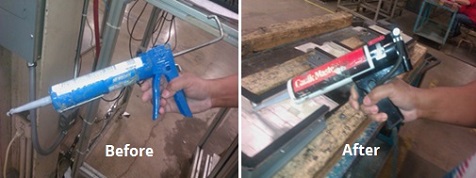
Ergonomics is the science of fitting the work to the worker, making sure jobs and tasks are within the worker’s capabilities and limitations. It’s part of your company’s commitment to provide a safe workplace.
A systematic ergonomics improvement process reduces injury risk, improves work performance and efficiently builds a better end product.
Ergonomic design principles for elbow injury prevention:
- Normal work (medium weights) work surface designed to just below elbow height
- Precision work (light weights) raise surface above elbow height and provide upper extremity weight bearing support when possible
- Heavy work place work surface 6-8” below elbow height
Plus

Poor work practices, a poor health profile and no recognition of early signs and symptoms by workers contribute to musculoskeletal disorders (MSDs).
An on-location, preventive health care specialist coaching and training your workplace athletes removes individual risk factors that lead to these common and costly injuries.
Prevention tools and techniques for elbow injury prevention:
- Use proper body mechanics and work technique.
- Prepare your body for work by properly warming up.
- Utilize good health habits — stay hydrated, pay attention to your nutrition and keep your body fit for work.
Early Recognition, Reporting and Intervention
At the first signs of excessive fatigue and discomfort, employees should be trained to recognize it and strongly encouraged to report it. When an early report is received, an on-location preventative health care professional should conduct a one-on-one early intervention consultation to identify the root causes and help the worker utilize injury prevention best practices.
